Looking for Data Center Space, Power, and Connectivity?
Compare colocation providers, pricing, connectivity, and geographic options with guidance from experienced infrastructure advisors.
Text
Access Leading Colocation Providers Through One Point of Contact











Text
Infrastructure Solutions Built Around Your Needs
Colocation Space & Power
Secure scalable cabinet, cage, and private suite deployments across carrier-neutral data centers with flexible power densities and growth options.
Network Connectivity & DIA
Compare fiber, blended bandwidth, dark fiber, and dedicated internet solutions from leading global and regional carriers.
Disaster
Recovery
Build resilient secondary environments and backup infrastructure strategies to support uptime, redundancy, and compliance requirements.
Hybrid Cloud Connectivity
Connect your colocation environment directly to leading cloud platforms including AWS, Azure, Google Cloud, and Oracle Cloud.

Migration &
Deployment
Receive support throughout provider selection, contracting, implementation coordination, and infrastructure migration planning.
Our Process
Our process is designed to help IT teams reduce complexity, save time, and identify the best-fit infrastructure solution for their technical and business requirements.
Discovery
We learn your technical, operational, compliance, and budget requirements.
Provider Evaluation
Our team compares providers, facilities, connectivity options, and commercial terms.
Solution Review
You receive curated recommendations tailored to your deployment goals.
Deployment Support
We assist through contracting, implementation coordination, and ongoing account support.
Nationwide & Global Infrastructure Reach
From major carrier hotels and hyperscale campuses to edge deployments and regional colocation facilities, we help organizations source infrastructure solutions across North America and international markets.Suggested Markets
Ashburn • Dallas • Chicago • Silicon Valley • Phoenix • Atlanta • New York • Toronto • Hong Kong • London • Frankfurt • Singapore • Tokyo
Our Clients & Partners
Lorem ipsum dolor sit amet, consectetur adipiscing elit. Duis finibus, arcu eu placerat dignissim, velit turpis suscipit leo, id scelerisque libero ex ut ipsum. Duis efficitur arcu ac sollicitudin molestie.
xxx | Head of Channel at xxx
Lorem ipsum dolor sit amet, consectetur adipiscing elit. Duis finibus, arcu eu placerat dignissim, velit turpis suscipit leo, id scelerisque libero ex ut ipsum. Duis efficitur arcu ac sollicitudin molestie.
xxx | Head of IT at xxx
Lorem ipsum dolor sit amet, consectetur adipiscing elit. Duis finibus, arcu eu placerat dignissim, velit turpis suscipit leo, id scelerisque libero ex ut ipsum. Duis efficitur arcu ac sollicitudin molestie.
xxx | Head of IT at xxx
© 2026 FindDataCenter.com - All Rights Reserved
Capacity Solutions
Find the Right Data Center Capacity for Your Infrastructure Requirements
See More Topics
Capacity

Artificial Intelligence
Wholesale
Providers
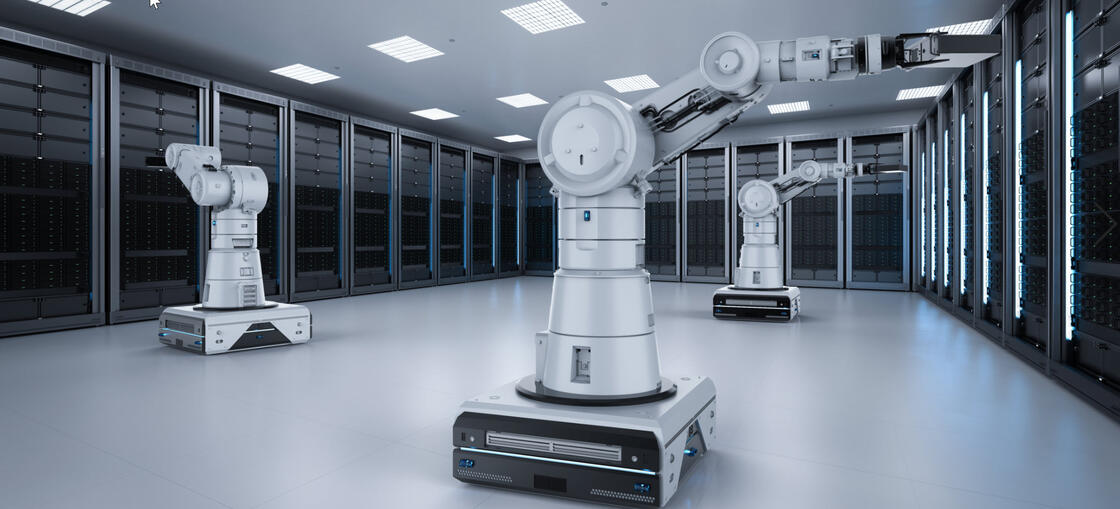
Find the Right Data Center Capacity for Your Infrastructure Requirements
Whether you're deploying a few cabinets or scaling into multi-megawatt environments, finding the right data center capacity requires balancing power availability, connectivity, geographic reach, scalability, and long-term operational costs.
Why Capacity Planning Matters
Data center capacity is no longer just about square footage. Enterprise IT teams must evaluate:• Available power density per rack
• Future scalability and growth
• Utility redundancy and resiliency
• Carrier ecosystem availability
• Latency to cloud platforms and users
• Compliance and security requirements
• Cooling capabilities for AI workloads
• Geographic redundancy strategiesChoosing the wrong facility can create long-term operational limitations, unexpected costs, and deployment delays.Our team helps simplify the evaluation process so your organization can move faster and make more informed infrastructure decisions.
How FindDataCenter.com Can Help
At FindDataCenter.com, we help IT directors, infrastructure teams, and enterprise organizations evaluate colocation providers across North America and global markets to identify the best-fit solution for their technical and business requirements.We work with leading carrier-neutral and hyperscale facilities to help organizations source:• Colocation cabinets
• Private cages and suites
• High-density power deployments
• Wholesale capacity
• AI-ready infrastructure
• Disaster recovery environments
• Multi-site deployments
• Edge data center solutions
Capacity Solutions We Support
Retail ColocationIdeal for organizations deploying individual cabinets or small footprints with flexible growth options.Private Cages & SuitesSecure segmented environments designed for compliance, performance, and operational control.High-Density DeploymentsFacilities capable of supporting advanced cooling and elevated power requirements for GPU and AI infrastructure.Multi-Market ExpansionDeploy infrastructure across strategic enterprise markets including Ashburn, Dallas, Chicago, Phoenix, London, Frankfurt, Singapore, and Tokyo.Disaster Recovery & RedundancyBuild resilient infrastructure strategies with geographically diverse deployments and secondary recovery sites.
Leading Enterprise Data Center Markets
We help organizations source capacity in major enterprise and hyperscale markets including:Ashburn • Dallas • Chicago • Silicon Valley • Phoenix • Atlanta • New York • London • Frankfurt • Singapore
Why Organizations Work With Us
Provider-Neutral GuidanceWe work across a broad ecosystem of data center providers rather than pushing a single facility.Faster Evaluation ProcessReduce the time spent sourcing pricing, technical details, and provider comparisons.Market-Wide Pricing AccessCompare multiple providers side-by-side to identify the best overall fit and value.Infrastructure ExpertiseOur team understands enterprise connectivity, power density, redundancy, and deployment planning requirements.
Find Available Colocation Capacity
Compare enterprise data center providers, pricing, power availability, and connectivity options across leading global markets.
Find Data Center Capacity
Tell us about your space, power, connectivity, and geographic requirements. Our team will help identify the best-fit providers and available capacity for your deployment.

Frequently Asked Questions
Need Data Center Capacity?
Whether you're expanding infrastructure, relocating environments, or planning a new deployment, our team can help you compare providers, evaluate pricing, and identify available capacity across leading enterprise markets.
Artificial Intelligence Solutions
AI Infrastructure & High-Density Data Center Solutions
See More Topics
Capacity
Artificial Intelligence
Wholesale
Providers
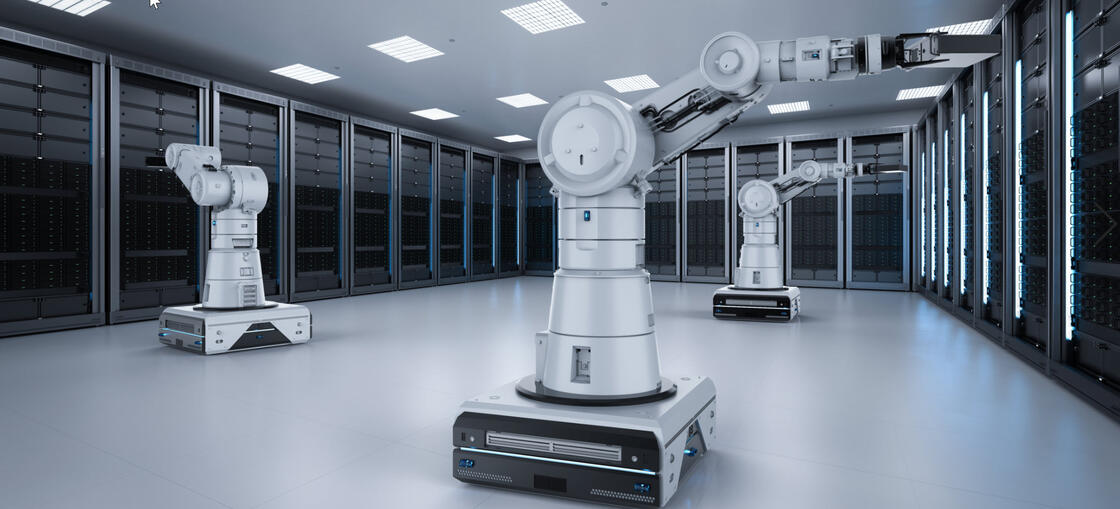
Scalable Infrastructure for AI, GPU, and High-Performance Computing Deployments
Artificial intelligence workloads are rapidly changing data center infrastructure requirements. Organizations deploying GPU clusters, machine learning platforms, and high-performance computing environments require facilities capable of supporting elevated power densities, advanced cooling, and scalable connectivity.FindDataCenter.com helps enterprise IT teams source AI-ready colocation environments designed to support modern compute-intensive workloads.
Why AI Infrastructure Planning Matters
AI deployments can create major operational challenges if infrastructure requirements are underestimated. Power availability, cooling limitations, and deployment scalability all play critical roles in long-term success.Our provider-neutral approach helps organizations evaluate:• Facility power capabilities
• Cooling technologies
• Scalability options
• Carrier ecosystems
• Deployment timelines
• Geographic strategies
• Budget considerations
Infrastructure Requirements for AI Deployments
AI infrastructure environments often require significantly different capabilities compared to traditional enterprise workloads, including:• High-density rack power
• Liquid cooling support
• Advanced thermal management
• Low-latency connectivity
• Scalable fiber infrastructure
• Cloud on-ramp connectivity
• Redundant utility design
• Large contiguous capacity blocksNot every data center can support modern AI infrastructure requirements. Our team helps identify providers capable of meeting both current and future deployment needs.
AI Solutions We Support
GPU Infrastructure DeploymentsSupport for NVIDIA GPU clusters and high-performance AI compute environments.High-Density ColocationFacilities designed for elevated rack densities and advanced cooling architectures.AI Cloud ConnectivityPrivate connectivity to AWS, Azure, Google Cloud, Oracle Cloud, and leading AI ecosystems.Multi-Megawatt CapacityScalable deployments for enterprise AI and large-scale machine learning environments.Hybrid AI InfrastructureCombine on-premise GPU infrastructure with cloud-based AI platforms and services.
Leading Enterprise Data Center Markets
We help organizations source capacity in major enterprise and hyperscale markets including:Ashburn • Dallas • Chicago • Silicon Valley • Phoenix • Atlanta • New York • London • Frankfurt • Singapore
Why Organizations Work With Us
Provider-Neutral GuidanceWe work across a broad ecosystem of data center providers rather than pushing a single facility.Faster Evaluation ProcessReduce the time spent sourcing pricing, technical details, and provider comparisons.Market-Wide Pricing AccessCompare multiple providers side-by-side to identify the best overall fit and value.Infrastructure ExpertiseOur team understands enterprise connectivity, power density, redundancy, and deployment planning requirements.
Build Your AI Infrastructure with Confidence
From GPU-ready colocation to high-density power and advanced cooling environments, we help organizations source scalable infrastructure built for AI and high-performance workloads.
Looking for AI-Ready Infrastructure?
Our team helps organizations source GPU-ready data centers with the power, cooling, scalability, and connectivity required for AI and high-performance computing deployments.

Frequently Asked Questions
Looking for a High-Density AI Data Center Space?
We help organizations identify AI-ready facilities designed for machine learning, GPU clusters, and high-performance computing deployments.
Wholesale Colocation Solutions
Wholesale Data Center & Large-Scale Infrastructure Solutions
See More Topics
Capacity
Artificial Intelligence
Wholesale
Providers
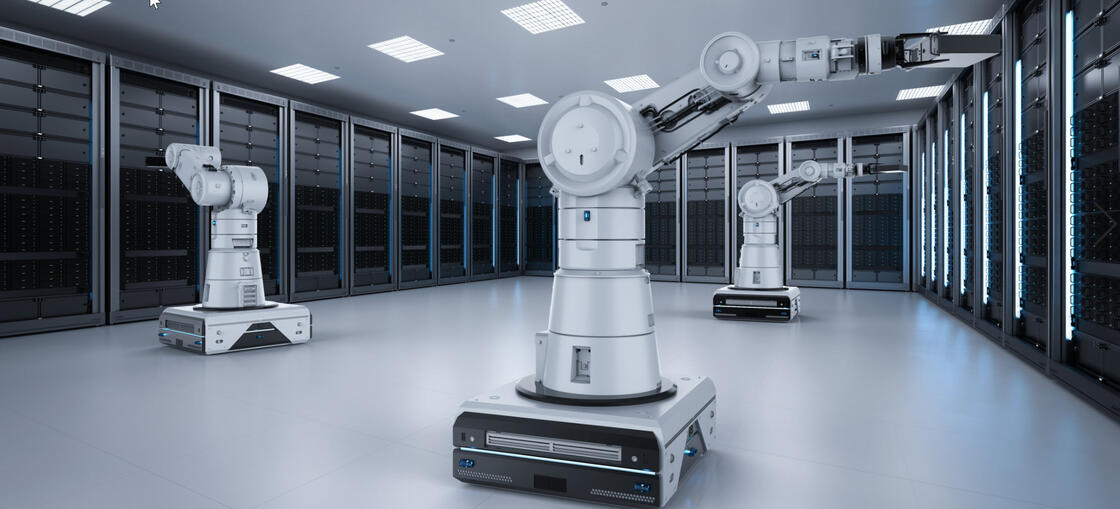
Scalable Wholesale Capacity for Enterprise and Hyperscale Deployments
Organizations requiring large-scale infrastructure deployments need more than traditional retail colocation. Wholesale colocation environments provide dedicated capacity, flexible power configurations, and scalable infrastructure designed for enterprise growth.FindDataCenter.com helps organizations source wholesale data center capacity across major enterprise and hyperscale markets worldwide.
What Is Wholesale Colocation?
Wholesale colocation typically involves large dedicated deployments such as:• Private suites
• Dedicated halls
• Multi-megawatt environments
• Build-to-suit deployments
• Long-term infrastructure scalingWholesale environments are commonly utilized by:• Enterprise organizations
• SaaS providers
• Cloud platforms
• AI infrastructure deployments
• Financial services firms
• Managed service providers
Why Organizations Choose Wholesale Colocation
ScalabilitySupport long-term infrastructure growth with larger contiguous capacity availability.Operational ControlDedicated environments provide increased flexibility, security, and customization.Better Economics at ScaleWholesale deployments can offer lower long-term costs for larger infrastructure footprints.Enterprise ConnectivityAccess carrier-rich ecosystems and cloud connectivity platforms within major interconnection hubs.
Wholesale Infrastructure Solutions We Support
Multi-Megawatt DeploymentsSecure scalable power capacity for enterprise and hyperscale growth requirements.Dedicated Data HallsPrivate infrastructure environments with operational control and security segmentation.Build-to-Suit SolutionsCustom infrastructure environments tailored to specific technical and operational requirements.AI & High-Density CapacityFacilities designed for GPU infrastructure, elevated rack densities, and advanced cooling systems.Geographic ExpansionDeploy across multiple enterprise markets to support redundancy, latency optimization, and customer growth.
Leading Enterprise Data Center Markets
We help organizations source capacity in major enterprise and hyperscale markets including:Ashburn • Dallas • Chicago • Silicon Valley • Phoenix • Atlanta • New York • London • Frankfurt • Singapore
Our Approach
We help organizations evaluate:• Available power capacity
• Expansion flexibility
• Utility redundancy
• Connectivity ecosystems
• Deployment timelines
• Geographic strategies
• Commercial pricing structuresOur provider-neutral model allows enterprise IT teams to compare multiple wholesale providers side-by-side to identify the best overall fit.
Source Wholesale Data Center Capacity
Compare dedicated suites, private data halls, and multi-megawatt wholesale colocation solutions across major global markets.
Need Wholesale Data Center Capacity?
We help enterprise organizations evaluate wholesale colocation providers, dedicated suites, and multi-megawatt deployments across major global infrastructure markets.

Frequently Asked Questions
Looking for Wholesale Data Center Capacity?
Our team helps enterprises evaluate dedicated suites, private halls, and multi-megawatt deployments across leading global data center markets with provider-neutral guidance.
Data Center & Network Providers











Text
Find the Provider That Best Fits Your Requirements
We help enterprise IT teams evaluate colocation providers, power availability, network ecosystems, geographic markets, and scalability options to identify the right solution faster.
Text


































Text
Need Help Narrowing Down Your Options?
From colocation and connectivity to AI infrastructure and wholesale deployments, we help organizations cut through the noise and compare providers based on their infrastructure requirements.
Text
Global Data Center Locations & Colocation Markets
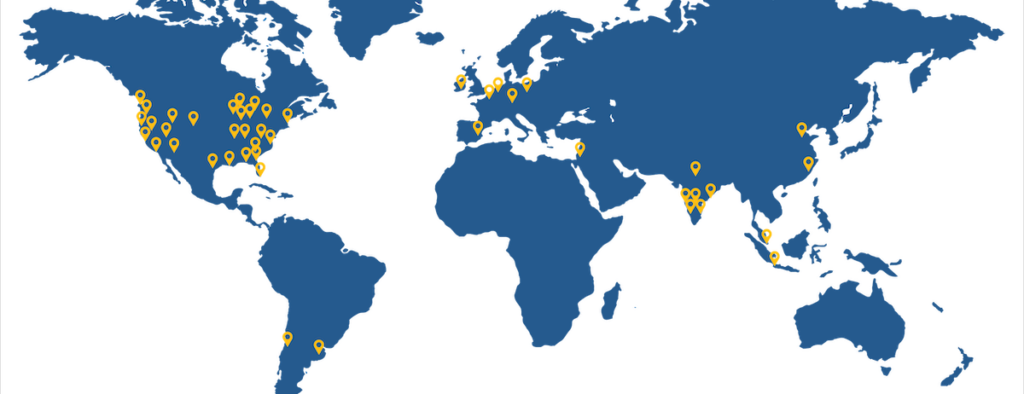
Explore enterprise colocation, connectivity, AI infrastructure, and wholesale data center solutions across leading global markets. We help organizations source data center space, power, and network infrastructure in carrier-neutral facilities worldwide.
Source Data Center Solutions Across Global Enterprise Markets
Whether you're deploying infrastructure close to customers, building geographic redundancy, expanding internationally, or optimizing cloud connectivity, location matters.FindDataCenter.com helps IT directors, infrastructure teams, and enterprise organizations evaluate data center providers across major colocation and hyperscale markets worldwide. From single cabinet deployments to large-scale wholesale environments, we help simplify the sourcing process and identify the right-fit solution for your technical and operational requirements.We support deployments across North America, Europe, Asia-Pacific, and emerging global infrastructure markets.
Why Location Matters
Infrastructure PerformanceThe geographic location of a data center can affect application performance, network latency, cloud access, and user experience. Organizations often deploy infrastructure closer to users, offices, or cloud regions to improve overall performance and reliability.Connectivity EcosystemsSome colocation markets have larger carrier ecosystems and stronger interconnection density than others. Markets such as Ashburn, Chicago, London, and Singapore are known for their concentration of telecom carriers, cloud platforms, and internet exchanges.Power & ScalabilityPower availability has become increasingly important as organizations deploy higher-density workloads, including AI and GPU infrastructure. Certain markets may offer greater expansion opportunities or better long-term scalability depending on utility capacity and regional demand.Geographic RedundancyMany enterprise organizations deploy infrastructure across multiple geographic markets to support disaster recovery, business continuity, and redundancy requirements. Geographic diversity helps reduce operational risk and improve resiliency.Cloud ConnectivityMajor enterprise markets often provide direct cloud connectivity options to AWS, Microsoft Azure, Google Cloud, Oracle Cloud, and other cloud platforms through cloud on-ramps and interconnection ecosystems.Compliance & Industry RequirementsSome organizations select data center markets based on regulatory, compliance, or industry-specific requirements. Factors such as data sovereignty, financial connectivity, healthcare compliance, and regional regulations may influence infrastructure strategy.
Leading Enterprise Data Center Markets
| Northern Virginia (Ashburn) | One of the world’s largest hyperscale and interconnection ecosystems with strong cloud and carrier density. |
| Dallas | A major enterprise and connectivity hub with strong central U.S. reach and scalable infrastructure growth. |
| Chicago | Known for financial services connectivity, enterprise networking, and strategic Midwest access. |
| Silicon Valley / Santa Clara | A key market for technology companies, cloud platforms, and high-performance infrastructure deployments. |
| Phoenix | A rapidly growing hyperscale and AI infrastructure market with strong power and expansion availability. |
| London | One of Europe’s leading enterprise colocation and connectivity markets with extensive international reach. |
| Frankfurt | A major European interconnection hub with strong cloud connectivity and enterprise infrastructure ecosystems. |
| Singapore | A leading Asia-Pacific colocation market supporting international connectivity and cloud expansion strategies. |
| Tokyo | A strategic enterprise and financial infrastructure market with strong regional connectivity throughout Asia-Pacific. |
| Atlanta | A growing enterprise and network hub with strong fiber infrastructure and southeastern U.S. connectivity. |
Looking for Data Center Space in a Specific Market?
Our team helps organizations compare providers, pricing, connectivity, and available capacity across leading global colocation markets.
Choose the Right Data Center Market For Your Needs
We help organizations source data center space, power, and network infrastructure in carrier-neutral facilities worldwide.

Compare Leading Enterprise Data Center Markets
From major hyperscale hubs to emerging edge markets, we can help evaluate multiple locations based on your connectivity, scalability, latency, and operational requirements.
Data Center News and Trending Topics
Explore enterprise colocation, connectivity, AI infrastructure, and wholesale data center solutions across leading global markets. We help organizations source data center space, power, and network infrastructure in carrier-neutral facilities worldwide.
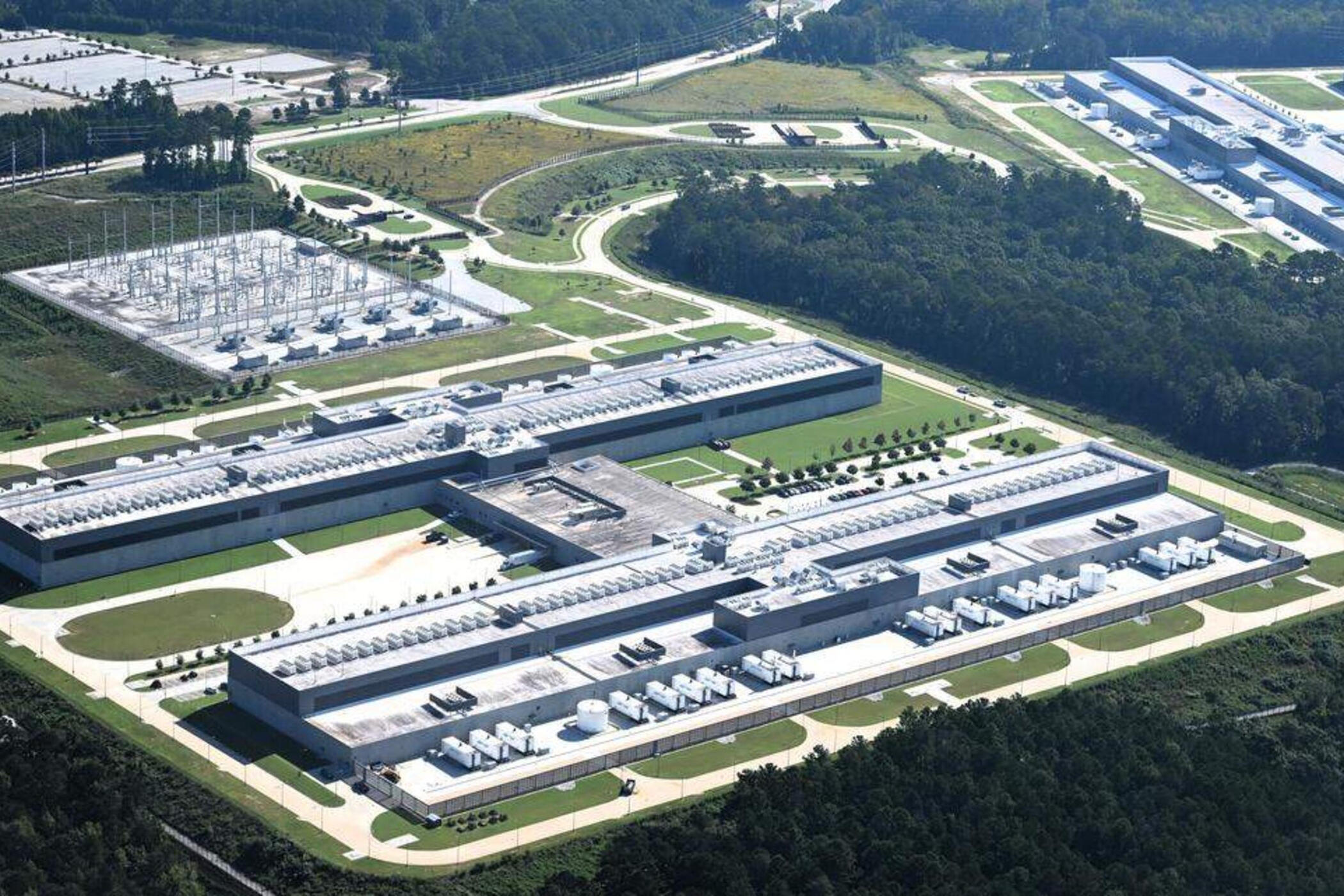

The Evolution of Modern Data Centers: From On-Premises Servers to Hyperscale Infrastructure

Why Colocation Is Becoming the Smart Choice for Growing Businesses

AI Is Reshaping Data Center Infrastructure

The Importance of Redundancy and Uptime in Mission-Critical Environments

Sustainability and Green Data Centers: The Future of Digital Infrastructure

Edge Computing vs. Traditional Data Centers: Understanding the Difference
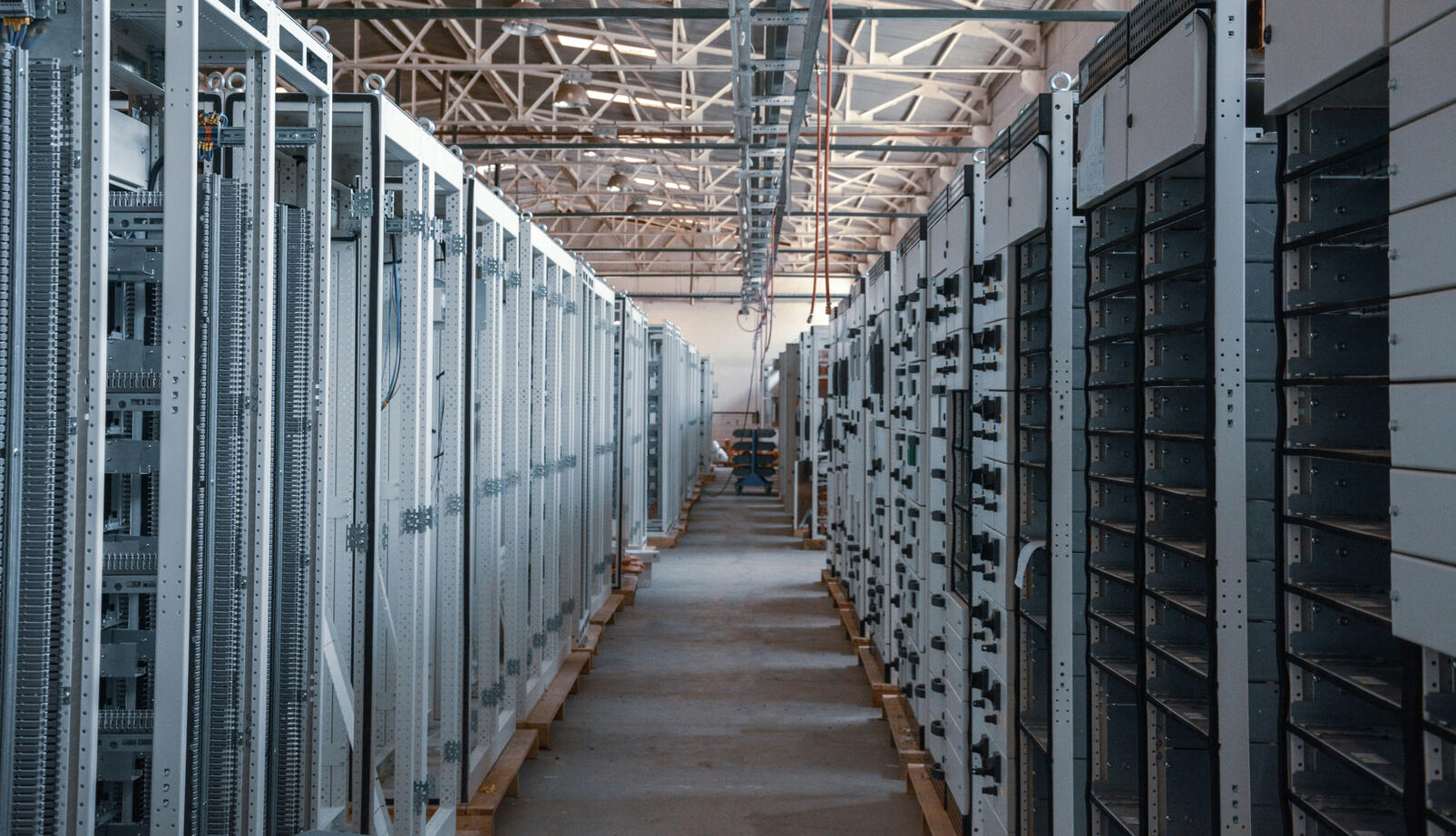
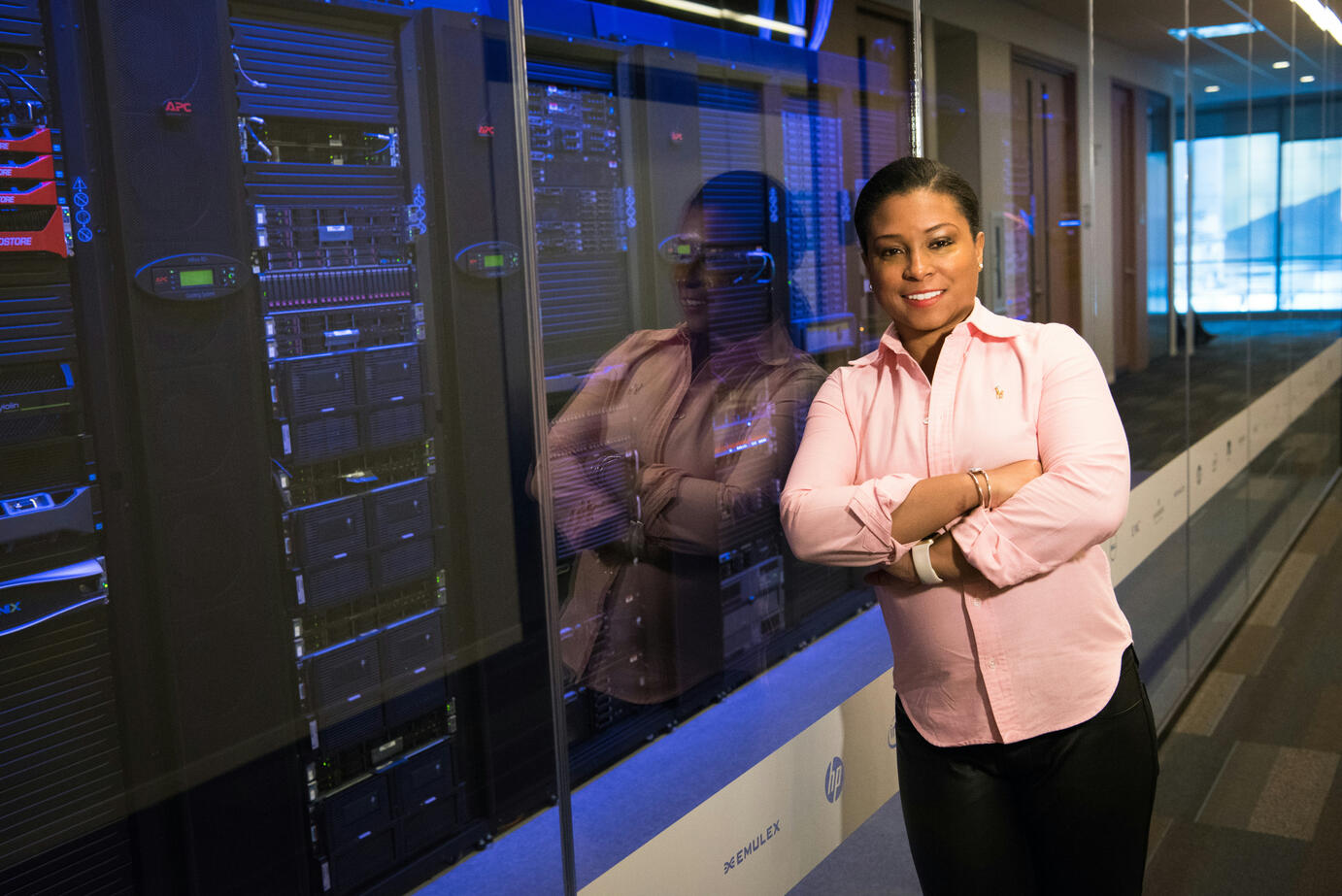
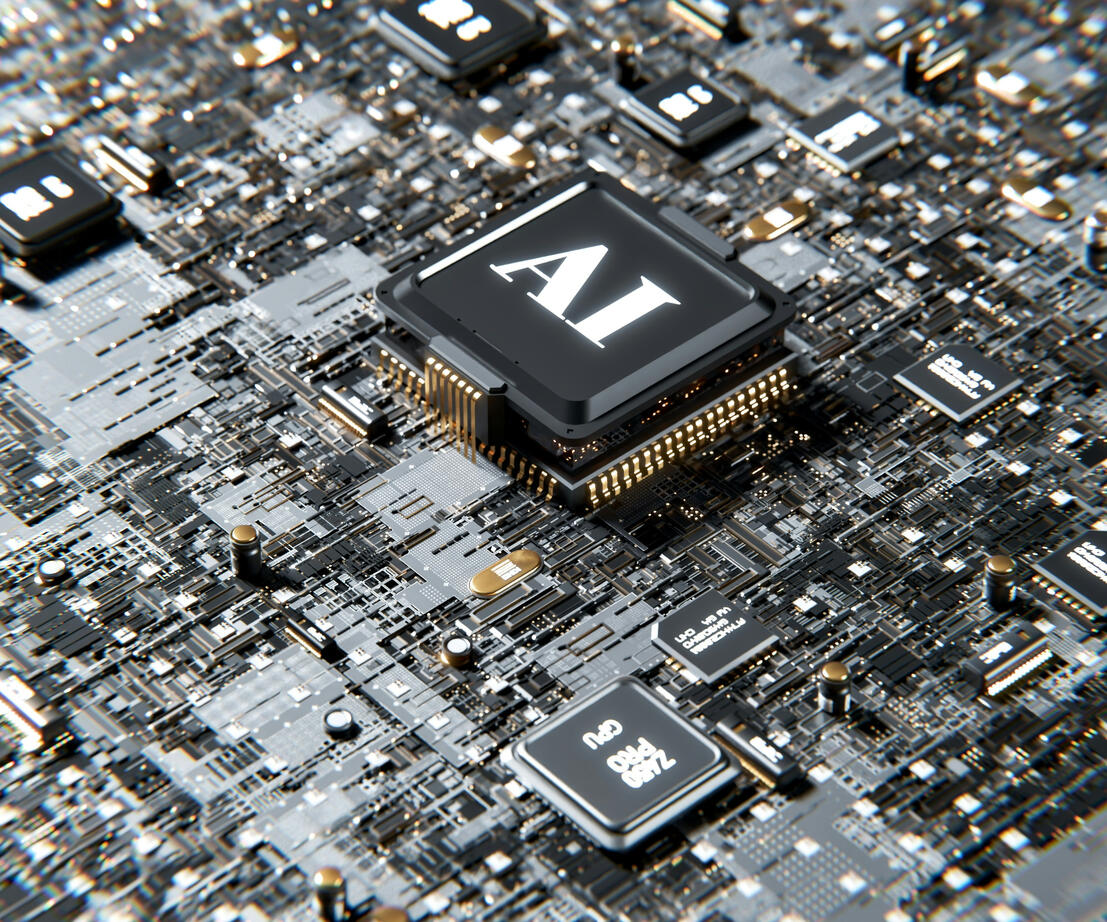
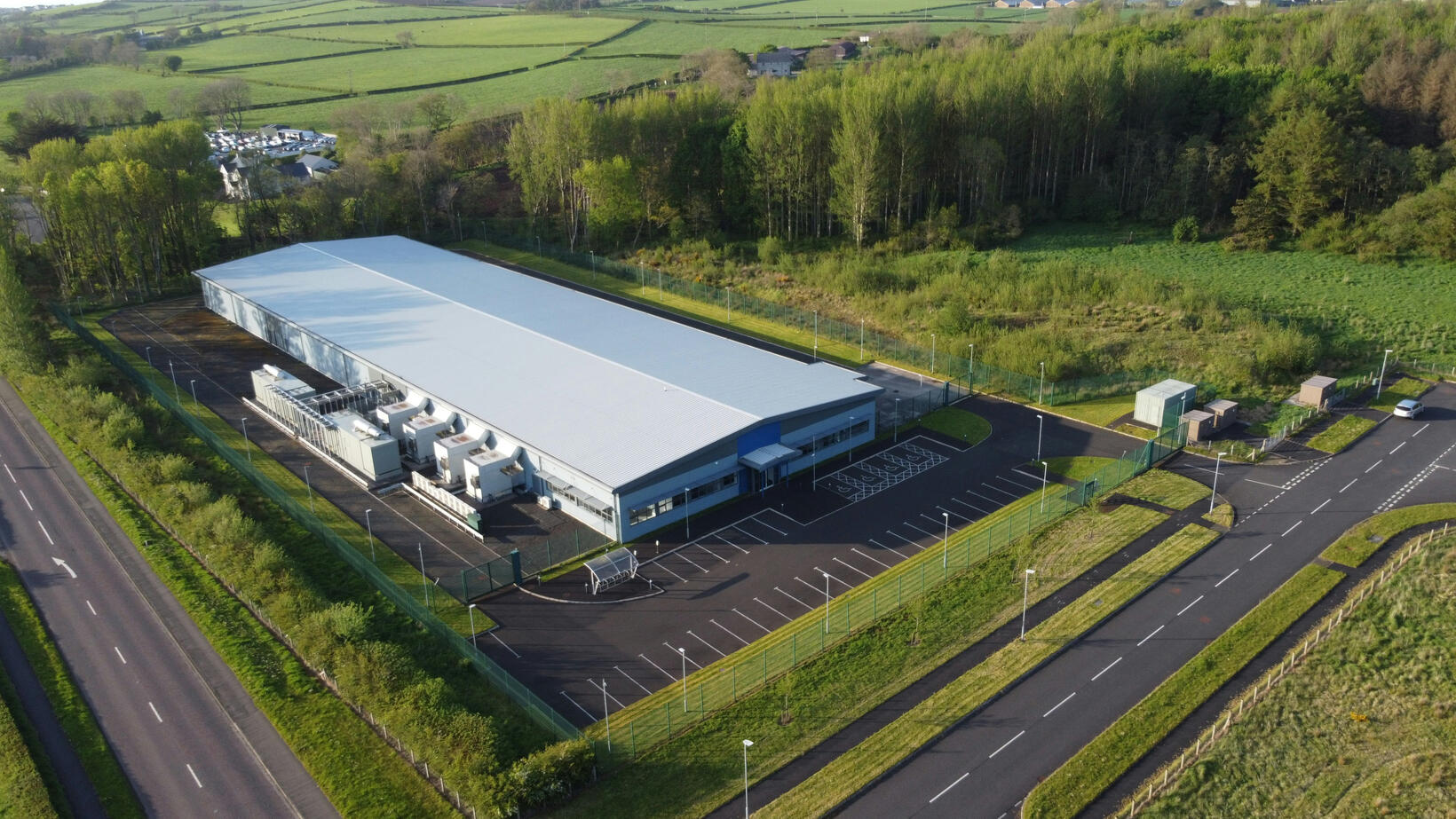
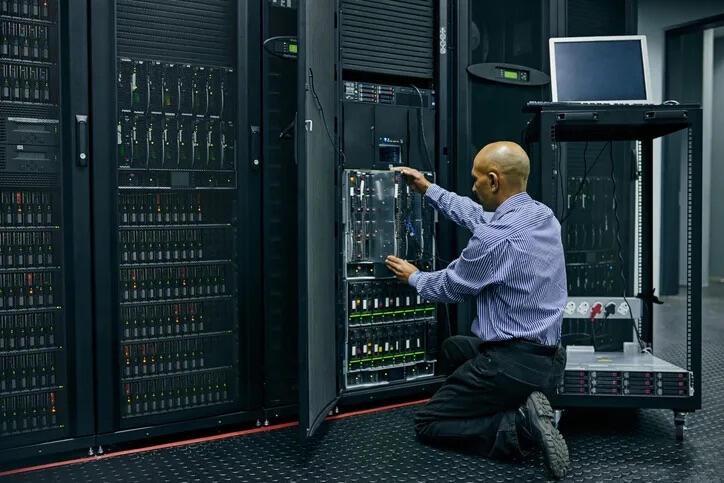

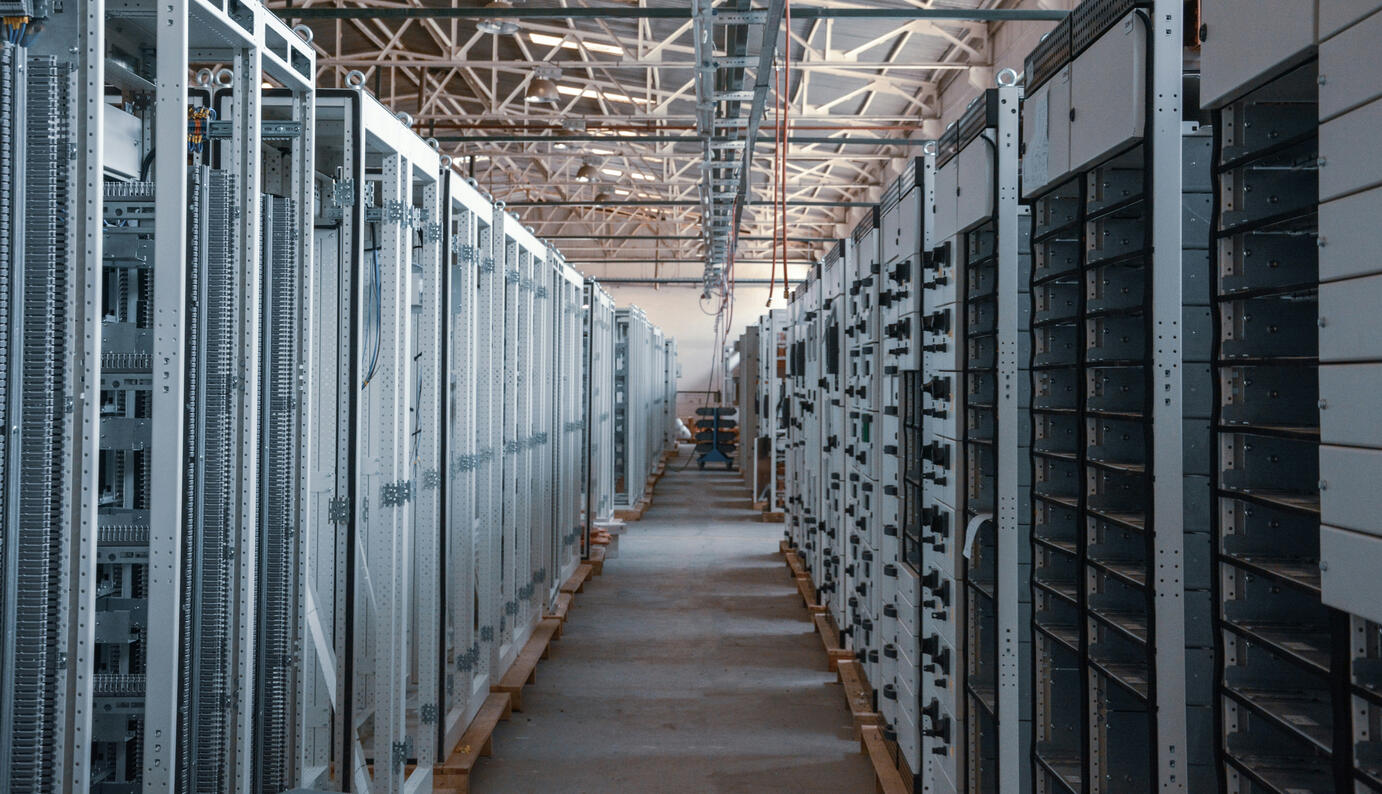
The Evolution of Modern Data Centers: From On-Premises Servers to Hyperscale Infrastructure
Explore how data centers have evolved from traditional server rooms to hyperscale facilities powering cloud computing, AI, and the modern digital economy.
Every email sent, online purchase completed, video streamed, and business application accessed relies on a data center somewhere in the world. While data centers have always been the backbone of information technology, their role has dramatically expanded over the past two decades. What was once a simple room filled with servers has transformed into highly sophisticated facilities capable of supporting millions of users and petabytes of data.As businesses continue their digital transformation journeys, understanding the evolution of data centers provides valuable insight into why cloud computing, colocation, and hybrid IT strategies have become essential for modern organizations.
The Early Days: Traditional On-Premises Infrastructure
For many years, businesses maintained their own IT infrastructure within their offices or headquarters. Companies purchased physical servers, networking equipment, storage systems, and backup hardware that were installed in dedicated server rooms.This approach provided complete control over applications and data but came with significant challenges:High upfront capital expenses
Limited scalability
Ongoing maintenance requirements
Power and cooling limitations
Physical security concerns
Disaster recovery complexitiesAs organizations grew, many found themselves constantly upgrading equipment to keep pace with increasing workloads, resulting in higher operational costs and greater complexity.
The Rise of Enterprise Data Centers
To address these challenges, larger organizations began investing in dedicated enterprise data centers designed specifically for mission-critical operations.Unlike traditional server rooms, enterprise data centers introduced:Redundant power systems
Advanced cooling technologies
Multiple internet providers
Physical security controls
Fire suppression systems
24/7 infrastructure monitoringThese facilities significantly improved reliability and uptime, allowing businesses to support increasingly complex applications and global operations.However, building and maintaining enterprise-grade facilities required substantial investments, making them impractical for many small and mid-sized organizations.
The Colocation Revolution
As technology demands increased, colocation providers emerged as an attractive alternative.Instead of building expensive facilities, businesses could lease rack space within professionally managed data centers while maintaining ownership of their servers and networking equipment.Colocation offers several advantages:Reduced Capital Investment
Organizations avoid the enormous expense of constructing and maintaining their own facilities while benefiting from enterprise-grade infrastructure.Increased Reliability
Modern colocation facilities often provide redundant power feeds, backup generators, battery systems, and multiple network carriers to ensure maximum availability.Scalability
Businesses can add cabinets, racks, or cages as they grow instead of investing in entirely new facilities.Enhanced Security
Professional data centers utilize layered security measures including biometric access controls, surveillance cameras, security personnel, and strict visitor management procedures.
Cloud Computing Changes Everything
The next major evolution came with the rapid adoption of cloud computing.Instead of purchasing physical servers, organizations began consuming computing resources as services. Virtual machines, storage, databases, and applications could now be deployed within minutes instead of weeks.This shift fundamentally changed IT operations by allowing businesses to:1. Scale resources on demand
2. Pay only for what they use
3. Expand globally without building new infrastructure
4. Accelerate software development
5. Improve disaster recovery capabilitiesPublic cloud providers built massive hyperscale data centers capable of serving millions of customers simultaneously, fundamentally reshaping enterprise IT strategies.
The Era of Hybrid Infrastructure
Despite rapid cloud adoption, many organizations discovered that a one-size-fits-all approach wasn't ideal.Certain applications require low latency, regulatory compliance, or specialized hardware that performs better in dedicated environments. As a result, hybrid infrastructure has become increasingly popular.A hybrid strategy combines:1. On-premises systems
2. Colocation facilities
3. Private cloud environments
4. Public cloud platformsThis flexible approach allows organizations to place workloads where they deliver the best combination of performance, security, and cost efficiency.
AI Is Driving the Next Wave of Innovation
Artificial intelligence is now creating another major shift in data center design.AI workloads demand significantly more computing power than traditional business applications, requiring specialized GPU clusters, high-density power distribution, advanced cooling systems, and ultra-fast networking.Modern AI-ready facilities are investing heavily in:1. Liquid cooling technologies
2. Higher rack power densities
3. Renewable energy integration
4. Advanced automation
5. Intelligent infrastructure monitoringThese innovations are enabling businesses to process massive datasets and deploy increasingly sophisticated AI models at scale.
Sustainability Takes Center Stage
As digital demand grows, sustainability has become a top priority for data center operators.Leading facilities are implementing strategies such as:1. Renewable energy sourcing
2. Energy-efficient cooling systems
3. Water conservation initiatives
4. AI-powered energy optimization
5. Heat reuse technologies
6. Carbon reduction programsMany organizations now consider environmental impact alongside uptime and performance when selecting a data center provider.
Looking Ahead
The modern data center is no longer just a building filled with servers—it is a critical component of global digital infrastructure. As businesses continue adopting cloud services, artificial intelligence, edge computing, and hybrid IT strategies, data centers will remain the foundation that enables innovation.Organizations that understand these evolving technologies are better positioned to build resilient, scalable, and secure IT environments capable of supporting future growth.Whether supporting a small business application or powering a global cloud platform, today's data centers represent decades of technological advancement and will continue evolving as the digital economy expands.
Author:
FindDataCenter.Com
FindDataCenter.com make enterprise infrastructure sourcing simpler, more transparent, and more efficient. We help IT directors, infrastructure managers, cloud architects, and technology leaders evaluate colocation providers, AI-ready facilities, wholesale deployments, and connectivity solutions across leading global markets.
Why Colocation Is Becoming the Smart Choice for Growing Businesses
Discover why more businesses are choosing colocation data centers to reduce costs, improve reliability, enhance security, and support long-term growth.
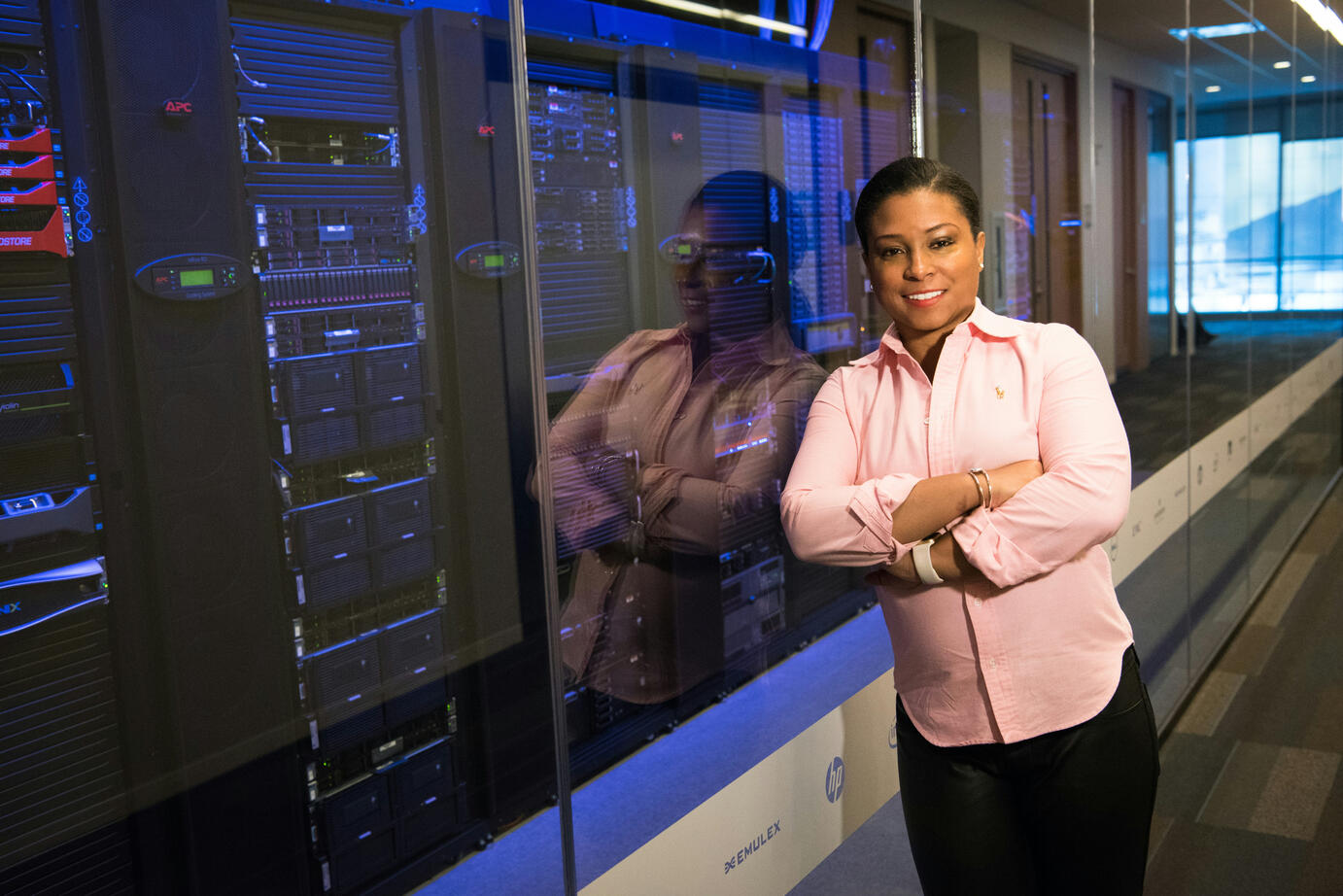
Technology is no longer just a support function—it is the foundation of nearly every business operation. From cloud applications and VoIP systems to customer databases and AI-powered analytics, organizations depend on reliable infrastructure to stay competitive. As IT demands continue to grow, many companies are finding that maintaining their own server rooms is no longer the most efficient or cost-effective solution.This shift has fueled the rapid adoption of colocation services, allowing businesses to house their servers and networking equipment in professionally managed data centers while retaining complete control over their hardware and applications. For organizations seeking enterprise-level reliability without the expense of building their own facilities, colocation offers an ideal balance of performance, security, and scalability.
What Is Colocation?
Colocation is a service where businesses rent space within a data center to host their own IT equipment. Instead of investing in the infrastructure required to operate a secure, redundant facility, companies leverage an existing environment that provides power, cooling, connectivity, and physical security.Customers maintain ownership of their servers, storage, and networking devices while benefiting from enterprise-grade infrastructure that would otherwise require millions of dollars to build and maintain.This model has become increasingly attractive for organizations that want greater control than public cloud services offer while eliminating the challenges associated with managing an on-premises data center.
Lower Capital Costs Without Sacrificing Performance
Building a private data center requires significant upfront investment. Organizations must purchase generators, UPS systems, cooling equipment, fire suppression systems, network infrastructure, security systems, and redundant power feeds before a single server is installed.Colocation eliminates these expenses by allowing businesses to share the underlying infrastructure with other tenants.Instead of allocating large amounts of capital toward facility management, companies can invest in:1. Technology modernization
2. Cybersecurity initiatives
3. Business expansion
4. Software development
5. Customer experience improvementsThis shift from capital expenditures to predictable operational expenses provides greater financial flexibility and simplifies long-term budgeting.
Improved Reliability and Uptime
Downtime is expensive. Even a brief outage can disrupt operations, impact customer satisfaction, and result in lost revenue.Professional colocation facilities are designed with redundancy at every critical level, including:1. Multiple utility power feeds
2. Battery backup systems
3. Diesel generators
4. Redundant cooling infrastructure
5. Diverse network carriers
6. Continuous environmental monitoringMany facilities are engineered to achieve uptime levels exceeding 99.99%, giving businesses confidence that their critical applications remain available around the clock.For organizations supporting remote employees, e-commerce platforms, healthcare systems, or financial services, this level of reliability is essential.
Enterprise-Level Security
Physical security is often overlooked until an incident occurs. A typical office building simply isn't designed to protect mission-critical infrastructure from unauthorized access or environmental risks.Colocation providers invest heavily in layered security measures such as:1. 24/7 on-site security personnel
2. Biometric authentication
3. Multi-factor access controls
4. Video surveillance
5. Locked cabinets and private cages
6. Visitor management systemsThese protections help reduce the risk of theft, tampering, and unauthorized access while supporting compliance with industry regulations.
Better Network Connectivity
One of the biggest advantages of colocation is access to carrier-neutral connectivity.Instead of relying on a single internet provider, businesses can connect to multiple network carriers within the same facility. This provides greater flexibility, lower latency, and built-in redundancy.Carrier diversity enables organizations to:1. Improve application performance
2. Reduce network outages
3. Optimize bandwidth costs
4. Support disaster recovery planning
5. Connect directly to cloud providersFor businesses with multiple offices or hybrid cloud environments, these connectivity options create a more resilient and scalable network architecture.
Scalability That Supports Business Growth
Business growth rarely happens in perfectly predictable increments. New customers, acquisitions, software deployments, and AI initiatives can rapidly increase infrastructure requirements.Colocation allows organizations to expand as needed without relocating or constructing new facilities. Companies can easily scale from a single cabinet to multiple racks, private cages, and dedicated suites.This flexibility allows IT infrastructure to evolve alongside business needs while minimizing operational disruptions.
Supporting Hybrid Cloud Strategies
While cloud adoption continues to grow, many organizations recognize that not every workload belongs in the public cloud.Applications with strict compliance requirements, predictable resource utilization, or specialized hardware often perform better in dedicated environments.Colocation bridges the gap between on-premises infrastructure and cloud services, enabling businesses to create hybrid environments that maximize performance and cost efficiency.Common hybrid deployments include:1. Hosting production databases in colocation
2. Running web applications in the public cloud
3. Replicating backups to a secondary location
4. Connecting directly to cloud providers through private linksThis architecture provides the flexibility to optimize workloads based on business priorities rather than infrastructure limitations.
Disaster Recovery and Business Continuity
Unexpected events such as power failures, natural disasters, cyberattacks, or equipment failures can bring operations to a standstill.Colocation facilities are built with business continuity in mind, offering geographically diverse locations, redundant infrastructure, and high availability to support disaster recovery strategies.Many organizations use colocation as either their primary production environment or as a secondary recovery site to ensure critical applications remain available even during major disruptions.A well-designed disaster recovery plan can significantly reduce downtime and protect both revenue and customer trust.
Is Colocation Right for Your Business?
Colocation is particularly valuable for organizations that require high performance, enhanced security, predictable costs, and greater control over their infrastructure without the complexity of operating a private data center.As digital transformation accelerates and AI, cloud computing, and data-intensive applications become increasingly common, businesses need infrastructure that can scale quickly while maintaining reliability and security.For many companies, colocation represents the ideal middle ground—combining the control of owning physical infrastructure with the resilience and efficiency of an enterprise-grade data center.Organizations that invest in the right colocation strategy today will be better prepared to support tomorrow's technology demands while reducing risk, controlling costs, and building a stronger foundation for long-term growth.
Author:
FindDataCenter.Com
FindDataCenter.com make enterprise infrastructure sourcing simpler, more transparent, and more efficient. We help IT directors, infrastructure managers, cloud architects, and technology leaders evaluate colocation providers, AI-ready facilities, wholesale deployments, and connectivity solutions across leading global markets.
How Artificial Intelligence Is Reshaping Data Center Infrastructure
Learn how artificial intelligence is transforming data center design, power consumption, cooling systems, automation, and the future of digital infrastructure.
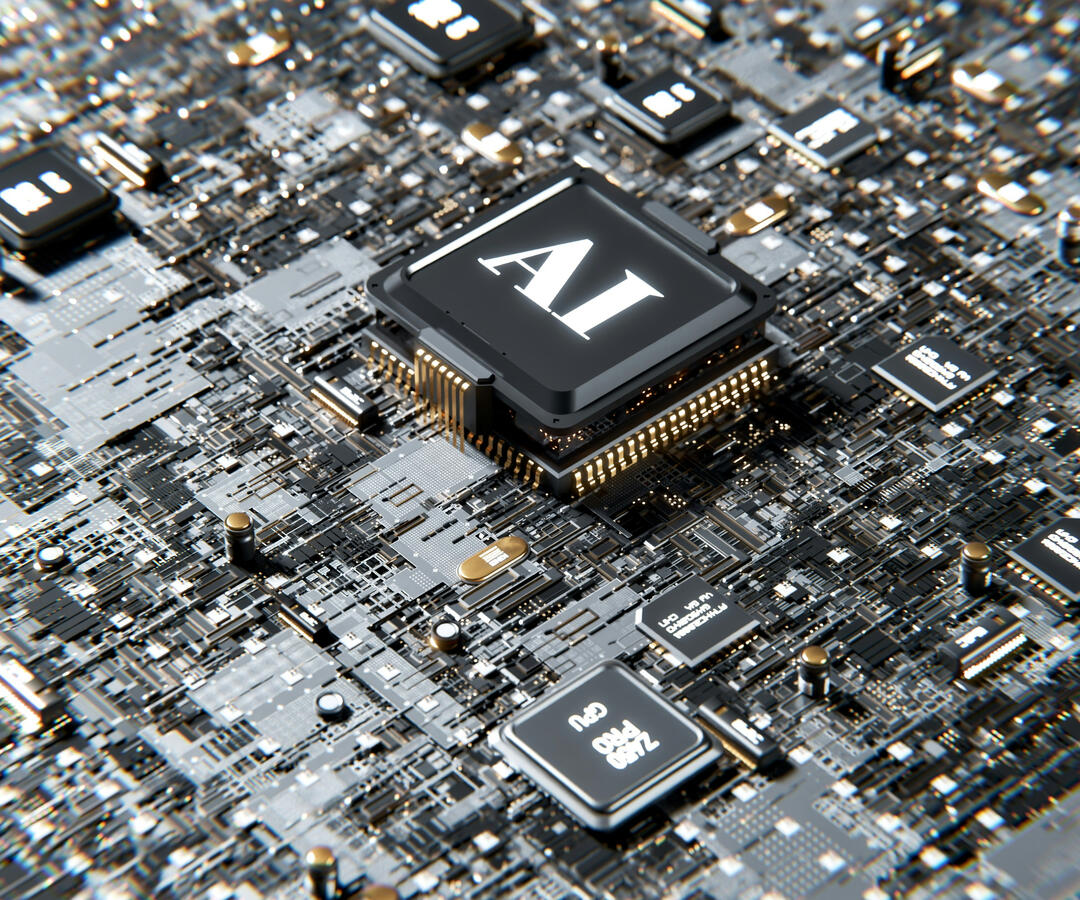
Artificial intelligence has quickly evolved from an emerging technology into a business necessity. Organizations across every industry are using AI to automate processes, analyze massive datasets, improve customer experiences, and accelerate decision-making. Behind every AI model, however, is a powerful data center providing the computational resources needed to train, deploy, and scale these advanced applications.As AI adoption continues to grow, it is fundamentally changing the way data centers are designed, operated, and optimized. Facilities that were once built for traditional enterprise workloads must now accommodate significantly higher power densities, specialized hardware, and increasingly complex networking requirements.The next generation of data centers is being built specifically for the AI era.
The Growing Demand for AI Infrastructure
Traditional business applications typically require moderate processing power and predictable resource consumption. AI workloads are entirely different.Training large language models, processing computer vision algorithms, or running real-time analytics requires thousands of GPUs working together simultaneously. These systems consume far more electricity and generate substantially more heat than conventional servers.As businesses integrate AI into their operations, data center operators are investing heavily in infrastructure capable of supporting these intensive workloads while maintaining performance and reliability.The result is a new class of AI-ready facilities designed for maximum efficiency and scalability.
High-Density Computing Is the New Standard
For years, a typical server rack consumed between 5 and 10 kilowatts of power. AI deployments are changing those expectations dramatically.Modern GPU clusters can require 30, 50, or even 100 kilowatts per rack, pushing traditional power and cooling systems to their limits.To support these environments, operators are redesigning electrical infrastructure with:1. Higher-capacity power distribution
2. Redundant electrical systems
3. Advanced monitoring capabilities
4. Intelligent load balancing
5. Scalable power architectureThese upgrades allow organizations to deploy AI applications without sacrificing uptime or operational stability.
Cooling Technology Is Rapidly Evolving
One of the biggest challenges facing AI infrastructure is heat management.As computing density increases, traditional air cooling becomes less efficient. Simply adding more fans is no longer enough to maintain optimal operating temperatures.Many modern data centers are adopting innovative cooling solutions, including:Liquid Cooling
Liquid cooling transfers heat much more efficiently than air, allowing servers to operate at higher performance levels while consuming less energy.This technology is becoming increasingly common for AI clusters and high-performance computing environments.Rear Door Heat Exchangers
These systems capture heat directly from server racks before it enters the surrounding environment, improving overall cooling efficiency.Intelligent Environmental Controls
AI itself is now being used to optimize cooling systems by continuously monitoring temperatures, humidity levels, airflow patterns, and power consumption in real time.This dynamic approach reduces waste while maintaining ideal operating conditions.
AI Is Improving Data Center Operations
Artificial intelligence is not only creating new infrastructure demands—it is also helping operators manage facilities more effectively.Machine learning algorithms can analyze millions of operational data points to identify trends and predict potential issues before they become critical failures.Examples include:1. Detecting failing hardware
2. Predicting power anomalies
3. Optimizing cooling efficiency
4. Monitoring network performance
5. Improving capacity planning
6. Automating routine maintenanceRather than reacting to problems after they occur, data center teams can proactively address issues and reduce costly downtime.
Smarter Energy Management
Data centers consume enormous amounts of electricity, making energy efficiency a top priority for operators and customers alike.AI-powered energy management systems continuously analyze server utilization, cooling requirements, electrical demand, environmental conditions, and historical usage patterns.Using this information, intelligent systems automatically adjust infrastructure to reduce unnecessary energy consumption without impacting performance.These optimizations help lower operating costs while supporting corporate sustainability initiatives.
Network Infrastructure Must Keep Pace
AI applications generate massive amounts of data that must move quickly between servers, storage systems, and users.To eliminate bottlenecks, modern data centers are deploying high-speed networking technologies that support low latency and increased bandwidth.Key investments include:1. 100G and 400G network connections
2. High-performance fiber infrastructure
3. Software-defined networking
4. Intelligent traffic management
5. Direct cloud connectivityThese technologies enable AI models to process information faster while improving the performance of cloud applications and business-critical services.
Sustainability and AI Can Work Together
At first glance, AI appears to increase energy consumption significantly. While AI workloads require substantial computing power, they are also driving innovations that improve efficiency across the entire facility.Many next-generation data centers are investing in:1. Renewable energy sources
2. Battery storage technologies
3. Water-efficient cooling systems
4. AI-driven power optimization
5. Waste heat recovery systems
6. Smart building automationBy combining advanced infrastructure with intelligent resource management, operators can reduce environmental impact while meeting growing computational demands.Sustainability is no longer viewed as a competitive advantage—it has become an essential component of long-term data center strategy.
What Businesses Should Consider
Organizations planning AI initiatives should evaluate whether their existing infrastructure is capable of supporting future workloads.Questions worth considering include:> Can current facilities provide enough power for GPU-intensive applications?
> Is the cooling system designed for high-density computing?
> Does the network offer sufficient bandwidth and low latency?
> Is the infrastructure scalable for future AI growth?
> Are disaster recovery and security measures equipped for mission-critical AI operations?Answering these questions early can prevent expensive upgrades and minimize operational disruptions as AI adoption accelerates.
The Future of AI-Powered Data Centers
Artificial intelligence is redefining what businesses expect from their infrastructure. Data centers are evolving from passive facilities that simply house servers into intelligent ecosystems capable of optimizing their own operations, predicting failures, reducing energy consumption, and supporting increasingly sophisticated applications.As organizations continue investing in automation, analytics, and machine learning, demand for AI-ready infrastructure will only increase. Companies that embrace modern data center strategies today will be better positioned to innovate, scale efficiently, and remain competitive in an increasingly data-driven economy.The future of business runs on AI—but AI itself runs on the next generation of intelligent, resilient, and highly efficient data centers.
Author:
FindDataCenter.Com
FindDataCenter.com make enterprise infrastructure sourcing simpler, more transparent, and more efficient. We help IT directors, infrastructure managers, cloud architects, and technology leaders evaluate colocation providers, AI-ready facilities, wholesale deployments, and connectivity solutions across leading global markets.
Why Redundancy and Uptime Matter in Mission-Critical Data Centers
Learn why redundancy, uptime, and resilient infrastructure are essential for modern data centers and how they protect businesses from costly downtime.
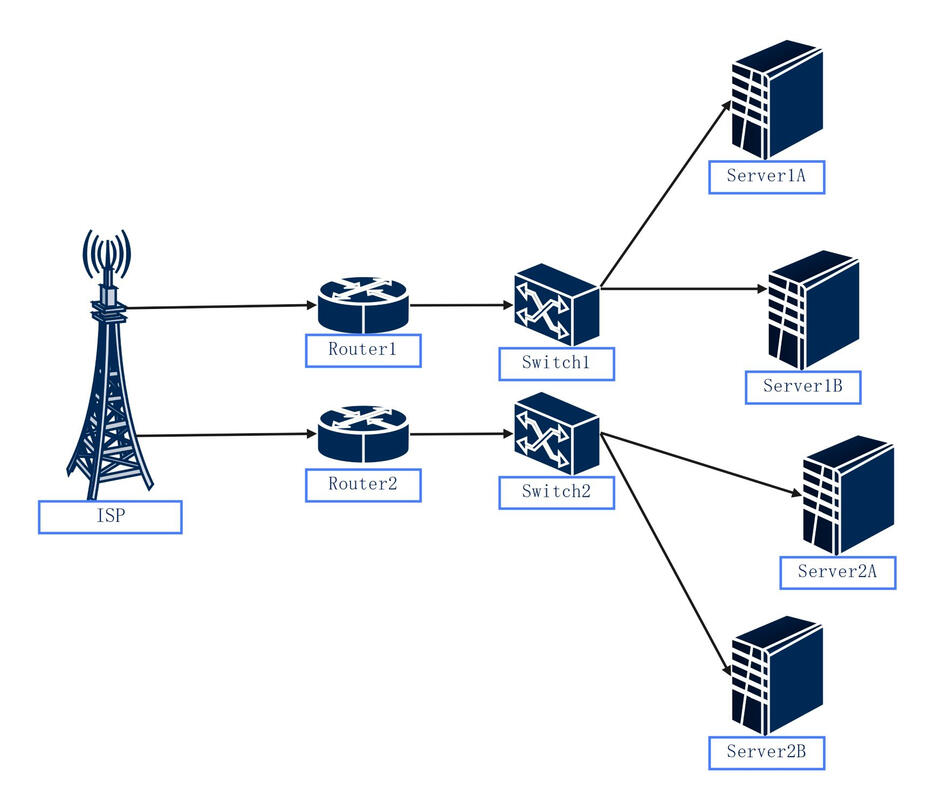
In today's digital economy, businesses operate around the clock. Customers expect websites to load instantly, employees rely on cloud applications to remain productive, and organizations depend on uninterrupted access to their data. Even a few minutes of downtime can result in lost revenue, damaged customer trust, and significant operational disruptions.This is why redundancy and uptime have become two of the most important considerations when selecting a data center or colocation provider. Modern facilities are designed with multiple layers of protection to ensure that if one component fails, another immediately takes over without impacting business operations.For organizations that rely on technology to serve customers and drive growth, resilient infrastructure is no longer optional—it is a business necessity.
The True Cost of Downtime
Every minute of downtime has consequences. While the financial impact varies by industry, outages can affect everything from customer satisfaction to regulatory compliance and business reputation.Common causes of downtime include:1. Power failures
2. Network outages
3. Hardware malfunctions
4. Cooling system failures
5. Human error
6. Natural disasters
7. Cybersecurity incidentsFor businesses operating e-commerce platforms, healthcare systems, financial applications, or communication services, even brief interruptions can have long-lasting effects.Investing in reliable infrastructure helps minimize these risks while ensuring business continuity.
What Does Redundancy Mean?
Redundancy refers to having backup systems in place so that critical operations continue even if a primary component fails.Rather than relying on a single power source, network connection, or cooling system, enterprise data centers build multiple independent paths to support continuous operations.If one system experiences an issue, another immediately assumes the workload without service interruption.This layered approach significantly improves reliability and reduces the likelihood of unexpected outages.
Power Redundancy: The Foundation of Reliability
Power is the lifeblood of every data center. Without it, servers, storage devices, networking equipment, and security systems all stop functioning.Mission-critical facilities typically include several levels of electrical redundancy, including:Dual Utility Feeds
Many enterprise data centers receive electricity from multiple utility providers or independent substations, reducing the risk of a single external power failure affecting operations.Uninterruptible Power Supplies (UPS)
UPS systems provide instant battery power whenever utility power fluctuates or fails, ensuring there is no interruption while backup generators start.Backup Generators
Diesel or natural gas generators are capable of powering entire facilities for extended periods, allowing operations to continue during prolonged outages.Together, these systems create a seamless power infrastructure designed for maximum availability.
Network Redundancy Keeps Businesses Connected
Reliable connectivity is equally important.If a business depends on a single internet provider, a fiber cut or carrier outage can immediately disrupt operations.Carrier-neutral data centers solve this problem by offering access to multiple telecommunications providers within the same facility.Benefits include:
1. Automatic failover
2. Increased bandwidth options
3. Lower network latency
4. Improved application performance
5. Greater operational resilienceMultiple network paths help ensure that applications remain accessible even if one provider experiences technical difficulties.
Cooling Systems Are Critical Infrastructure
Servers generate significant amounts of heat, and excessive temperatures can lead to equipment failures or reduced performance.Enterprise facilities use redundant cooling systems that continue operating even when maintenance or unexpected issues occur.Modern cooling strategies include:1. Multiple CRAC and CRAH units
2. Hot aisle and cold aisle containment
3. Liquid cooling for high-density environments
4. Environmental monitoring sensors
5. Automated airflow managementThese technologies help maintain optimal operating conditions while protecting valuable IT equipment.
aUnderstanding Uptime StandardsNetwork Infrastructure Must Keep Pace
Data center providers often advertise impressive uptime percentages, but what do those numbers actually mean?Here's what they represent annually:
| Uptime | Approximate Downtime Per Year |
|---|---|
| 99% | 3.65 days |
| 99.9% | 8.76 hours |
| 99.99% | 52.6 minutes |
| 99.999% | 5.26 minutes |
Even a small improvement in uptime percentage translates into significantly greater availability over the course of a year.For organizations supporting mission-critical applications, higher uptime standards can have a substantial business impact.
Disaster Recovery Starts with Infrastructure
While redundancy protects against equipment failures, disaster recovery prepares organizations for larger events.An effective disaster recovery strategy includes:1. Geographic diversity
2. Off-site backups
3. Data replication
4. Secondary network paths
5. Cloud integration
5. Regular recovery testingMany businesses combine colocation facilities with cloud services to create hybrid disaster recovery environments capable of rapidly restoring operations after unexpected incidents.Preparation reduces recovery time and minimizes the impact on customers and employees.
Proactive Monitoring Makes a Difference
Modern data centers don't simply react to problems—they actively monitor infrastructure around the clock.Advanced monitoring platforms track:1. Electrical loads
2. Temperature and humidity
3. Generator status
4. UPS performance
5. Network traffic
6. Hardware health
7. Physical security systemsAutomated alerts allow engineers to identify and resolve potential issues before they affect customers.This proactive approach is one of the key reasons professionally managed data centers consistently achieve exceptional reliability.
Choosing the Right Data Center Partner
When evaluating a data center provider, organizations should look beyond pricing alone.Important considerations include:1. Redundant power architecture
2. Multiple network carriers
3. Physical security measures
4. Service Level Agreements (SLAs)
5. Disaster recovery capabilities
6. Scalability options
7. 24/7 monitoring and supportA provider with robust infrastructure and operational expertise can significantly reduce business risk while providing a stable foundation for future growth.
Our experts at FindDataCenters.com can source from hundreds of partners to best fit your company's needs.
Building a More Resilient Future
As organizations become increasingly dependent on cloud services, AI applications, remote work, and digital customer experiences, infrastructure reliability becomes more important than ever.Redundancy and uptime are not simply technical specifications—they are strategic investments that protect revenue, preserve customer trust, and ensure business continuity.By partnering with a data center designed for resilience, businesses gain the confidence that their critical applications and data remain available when customers and employees need them most.In a world where every second of availability matters, investing in reliable infrastructure is one of the smartest decisions an organization can make.
Author:
FindDataCenter.Com
FindDataCenter.com make enterprise infrastructure sourcing simpler, more transparent, and more efficient. We help IT directors, infrastructure managers, cloud architects, and technology leaders evaluate colocation providers, AI-ready facilities, wholesale deployments, and connectivity solutions across leading global markets.
Sustainability and Green Data Centers: Building the Future of Digital Infrastructure
Discover how sustainable data centers are reducing energy consumption, lowering carbon emissions, and creating a more environmentally responsible future for digital infrastructure.
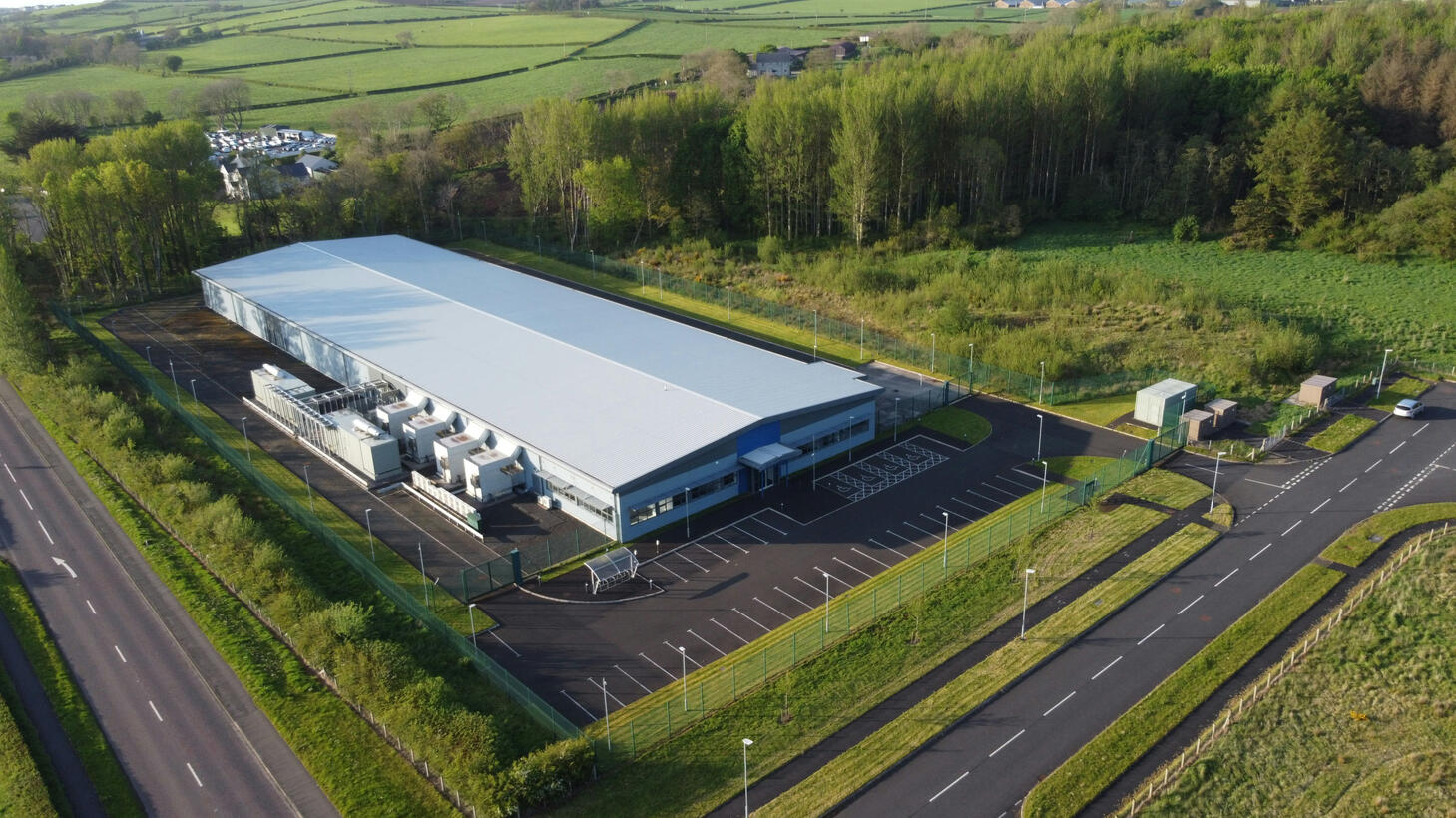
The rapid growth of cloud computing, artificial intelligence, streaming services, and connected devices has dramatically increased the demand for data center capacity worldwide. Every online transaction, video conference, and business application depends on facilities that operate 24 hours a day, 365 days a year. While these facilities power the modern digital economy, they also consume significant amounts of electricity and resources.As organizations place greater emphasis on environmental responsibility and corporate sustainability, green data centers have become a major focus for technology providers and enterprise businesses alike. Today's leading facilities are designed not only for performance and reliability but also for energy efficiency, renewable power integration, and long-term environmental stewardship.Sustainability is no longer just a trend—it has become a strategic advantage that benefits businesses, customers, and the planet.
Why Sustainability Matters in Data Centers
Data centers are among the most critical pieces of modern infrastructure, supporting everything from healthcare systems and financial institutions to e-commerce platforms and artificial intelligence applications.However, maintaining thousands of servers, storage arrays, and networking devices requires continuous power and cooling.As digital transformation accelerates, businesses are asking important questions:> How can technology growth remain environmentally responsible?
> Can infrastructure become more energy efficient?
> How can organizations reduce their carbon footprint without sacrificing performance?Green data centers are providing answers through innovative design and smarter operations.
Energy Efficiency Starts with Design
Modern sustainable facilities are engineered to maximize efficiency from the ground up.Rather than simply increasing capacity, operators focus on optimizing every aspect of the environment, including electrical systems, cooling technologies, and building materials.Key design features include:1. High-efficiency power distribution systems
2. LED lighting with automated controls
3. Advanced insulation and airflow management
4. Modular infrastructure for scalable growth
5. Intelligent building automationBy reducing wasted energy, these facilities lower operational costs while supporting environmental goals.
Renewable Energy Is Transforming the Industry
Many of the world's largest data center operators are investing heavily in renewable energy sources to reduce dependence on fossil fuels.Common renewable energy initiatives include:Solar Power
Large-scale solar installations provide clean electricity during peak daylight hours and help offset grid consumption.Wind Energy
Long-term power purchase agreements with wind farms allow operators to support renewable energy production while stabilizing energy costs.Hydroelectric and Geothermal Resources
In regions where these resources are available, data centers can take advantage of naturally sustainable energy sources that produce minimal carbon emissions.By diversifying energy portfolios, providers improve resilience while advancing corporate sustainability objectives.
Smarter Cooling Technologies
Cooling has historically represented one of the largest sources of energy consumption within a data center.Traditional cooling methods often require significant electricity and water usage. Today's green facilities are adopting innovative technologies that dramatically improve efficiency.These include:1. Hot aisle and cold aisle containment
2. Liquid cooling systems
3. Free air cooling in suitable climates
4. Rear door heat exchangers
5. AI-powered environmental optimizationThese solutions reduce unnecessary energy consumption while maintaining ideal operating temperatures for high-performance computing environments.As AI workloads continue to grow, efficient cooling strategies will become even more important.
Understanding Power Usage Effectiveness (PUE)
One of the most widely recognized metrics for measuring data center efficiency is Power Usage Effectiveness, or PUE.PUE compares the total amount of energy consumed by a facility with the energy used directly by IT equipment.A lower PUE indicates that a greater percentage of electricity is powering servers rather than supporting cooling, lighting, or other infrastructure.Many older facilities operate with PUE values well above 2.0, while modern green data centers often achieve ratings approaching 1.2 or lower through optimized design and intelligent energy management.Improving PUE helps reduce both operating expenses and environmental impact.
Artificial Intelligence Is Driving Sustainability
Artificial intelligence is not only creating demand for additional computing power—it is also making data centers more efficient.AI-powered monitoring systems continuously analyze:1. Temperature fluctuations
2. Airflow patterns
3. Server utilization
4. Electrical loads
5. Equipment performance
6. Cooling requirementsBy automatically adjusting environmental conditions in real time, these systems minimize waste while maintaining reliability.Predictive analytics can also identify equipment issues before failures occur, reducing unnecessary maintenance and extending the lifespan of critical infrastructure.
Water Conservation and Resource Management
Water consumption has become another important sustainability consideration.Many next-generation facilities are implementing water-saving initiatives such as:1. Closed-loop cooling systems
2. Rainwater collection
3. Water recycling technologies
4. Air-cooled infrastructure
5. Intelligent monitoring systemsThese innovations help conserve valuable resources while maintaining the cooling capacity required for modern computing environments.Businesses increasingly consider water stewardship when evaluating potential data center partners.
Sustainability Benefits Extend Beyond the Environment
Choosing a green data center is not only good for the planet—it also provides measurable business advantages.Organizations can benefit from:1. Lower operating costs
2. Improved energy efficiency
3. Enhanced ESG (Environmental, Social, and Governance) performance
4. Greater appeal to environmentally conscious customers
5. Increased resilience through diversified energy sources
6. Long-term infrastructure stabilityMany enterprises now include sustainability requirements as part of their procurement and IT strategy, making environmentally responsible infrastructure a competitive differentiator.
The Future of Sustainable Digital Infrastructure
The next generation of data centers will continue to push the boundaries of efficiency and innovation. Emerging technologies such as modular construction, battery energy storage, advanced liquid cooling, hydrogen-powered backup systems, and carbon-aware workload scheduling are expected to further reduce environmental impact while supporting increasing digital demand.At the same time, businesses will continue to adopt hybrid cloud architectures, AI applications, and edge computing solutions that require resilient and scalable infrastructure.
A Smarter Path Forward
Data centers are the foundation of our connected world, enabling everything from online banking and healthcare to remote work and artificial intelligence. As the demand for digital services grows, so does the responsibility to operate these facilities more efficiently and sustainably.Green data centers demonstrate that high performance and environmental responsibility can go hand in hand. By investing in renewable energy, intelligent automation, efficient cooling systems, and resource conservation, operators are building infrastructure capable of supporting both business innovation and a more sustainable future.For organizations evaluating their IT strategy, partnering with a sustainable data center is more than an environmental decision—it's a long-term investment in operational efficiency, resilience, and responsible growth.
Author:
FindDataCenter.Com
FindDataCenter.com make enterprise infrastructure sourcing simpler, more transparent, and more efficient. We help IT directors, infrastructure managers, cloud architects, and technology leaders evaluate colocation providers, AI-ready facilities, wholesale deployments, and connectivity solutions across leading global markets.
Edge Computing vs. Traditional Data Centers: Understanding the Future of Digital Infrastructure
Explore the differences between edge computing and traditional data centers, their unique advantages, and how businesses can leverage both to improve performance and scalability.
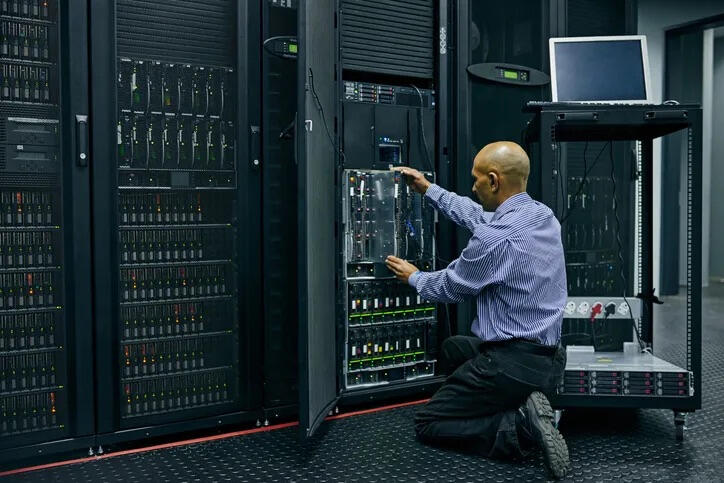
The way businesses process and manage data is changing rapidly. As organizations adopt cloud services, Internet of Things (IoT) devices, artificial intelligence, and real-time applications, the demand for faster data processing and lower latency continues to grow. While traditional data centers remain the backbone of enterprise IT, edge computing has emerged as a complementary solution that brings computing resources closer to users and connected devices.Rather than replacing conventional data centers, edge computing is creating a hybrid infrastructure model that delivers better performance, enhanced reliability, and greater scalability. Understanding the differences between these two approaches can help businesses make informed decisions about their technology investments and prepare for the future of digital transformation.
What Is a Traditional Data Center?
A traditional data center is a centralized facility that houses servers, storage systems, networking equipment, and security infrastructure. These facilities are designed to process, store, and distribute large volumes of data for businesses and cloud providers.Modern data centers offer:1. Enterprise-grade physical security
2. Redundant power and cooling systems
3. High-speed network connectivity
4. Disaster recovery capabilities
5. Scalable infrastructure for business growthCentralized data centers are ideal for hosting business applications, databases, cloud services, backup systems, and mission-critical workloads that require high availability and consistent performance.For decades, this model has successfully supported organizations of every size, from small businesses to global enterprises.
What Is Edge Computing?
Edge computing shifts data processing closer to where information is generated instead of sending everything to a centralized facility.Rather than transmitting data hundreds or thousands of miles to a primary data center, edge devices perform analysis locally and only send necessary information to centralized systems.Edge infrastructure can include:1. Regional micro data centers
2. Smart manufacturing facilities
3. Retail locations
4. Telecommunications sites
5. IoT gateways
6. Autonomous vehicle systemsThis distributed architecture enables applications to respond much faster while reducing network congestion.
Why Latency Matters
Latency refers to the time required for data to travel from a user or device to a computing resource and back.For many business applications, a delay of a few milliseconds may not be noticeable. However, emerging technologies require nearly instantaneous responses.Examples include:1. Autonomous vehicles
2. Industrial automation
3. Video surveillance analytics
4. Augmented and virtual reality
5. Financial trading platforms
6. Smart city infrastructure
7. AI-powered customer interactionsBy processing data closer to the source, edge computing minimizes latency and improves the overall user experience.
The Strengths of Traditional Data Centers
Despite the growing popularity of edge computing, centralized data centers continue to offer significant advantages.Massive Computing Power
Traditional facilities provide access to extensive processing capacity capable of supporting enterprise applications, artificial intelligence training, large databases, and cloud platforms.Centralized Security
Maintaining security policies, compliance standards, backups, and monitoring is often simpler when infrastructure is consolidated within professionally managed environments.Cost Efficiency at Scale
Hosting large workloads in centralized facilities allows organizations to maximize resource utilization and reduce operational complexity.Business Continuity
Enterprise data centers are designed with redundant power, cooling, networking, and disaster recovery systems that ensure exceptional reliability.For applications requiring consistent performance and long-term data storage, centralized infrastructure remains the preferred solution.
The Advantages of Edge Computing
Edge computing introduces new capabilities that complement traditional infrastructure rather than replacing it.Faster Application Performance
Local data processing significantly reduces response times for applications that require immediate decision-making.Reduced Bandwidth Costs
Instead of transmitting every piece of generated data to a centralized facility, edge devices process information locally and send only relevant results, decreasing network utilization.Improved Reliability
If connectivity to a primary data center is interrupted, edge systems can continue operating independently until communication is restored.Better Support for IoT
With billions of connected devices generating enormous amounts of information, processing everything in a centralized location becomes increasingly inefficient. Edge computing distributes workloads and improves scalability.
Why Hybrid Infrastructure Is Becoming the Standard
Most organizations are discovering that the best solution is not choosing between edge computing and traditional data centers but combining both into a unified strategy.A hybrid architecture allows businesses to:1. Process time-sensitive data at the edge
2. Store critical information in centralized facilities
3. Utilize cloud resources for scalability
4. Replicate data for disaster recovery
5. Optimize application performance across multiple locationsThis flexible approach enables organizations to deploy workloads where they perform most effectively while balancing cost, security, and operational requirements.
Industries Driving Edge Adoption
Several industries are accelerating investments in edge infrastructure due to their need for real-time processing.Manufacturing
Smart factories rely on edge computing to monitor equipment, analyze sensor data, and automate production lines with minimal delay.Healthcare
Hospitals use edge technology to process medical imaging, patient monitoring systems, and connected devices while maintaining fast access to critical information.Retail
Retailers leverage edge infrastructure to support self-checkout systems, inventory management, digital signage, and personalized customer experiences.Telecommunications
5G networks depend heavily on distributed computing resources to deliver low-latency connectivity for millions of devices simultaneously.Financial Services
Banks and trading platforms utilize edge computing to improve transaction processing speeds and enhance customer experiences.
The Role of AI in Edge Computing
Artificial intelligence is making edge infrastructure even more valuable.Instead of transmitting raw video feeds or sensor data to centralized systems, AI-powered edge devices can analyze information locally and make immediate decisions.Examples include:1. Detecting manufacturing defects
2. Identifying security threats
3. Managing traffic patterns
4. Monitoring environmental conditions
5. Supporting predictive maintenanceThis reduces bandwidth consumption while enabling faster, more intelligent operations.
Planning for the Future
As digital transformation continues, businesses must build infrastructure capable of supporting increasing amounts of data, connected devices, and AI-powered applications.Rather than viewing edge computing and traditional data centers as competing technologies, organizations should recognize them as complementary components of a modern IT strategy.Centralized data centers provide the scalability, security, and resilience needed for enterprise operations, while edge computing delivers the speed and responsiveness required for next-generation applications.Companies that successfully integrate both approaches will be better positioned to improve customer experiences, increase operational efficiency, and adapt to the evolving demands of a connected world.The future of digital infrastructure is not centralized or distributed alone—it's a strategic combination of both, creating a smarter, faster, and more resilient foundation for business innovation.
Author:
FindDataCenter.Com
FindDataCenter.com make enterprise infrastructure sourcing simpler, more transparent, and more efficient. We help IT directors, infrastructure managers, cloud architects, and technology leaders evaluate colocation providers, AI-ready facilities, wholesale deployments, and connectivity solutions across leading global markets.
Get Expert Infrastructure Guidance
Independent & Provider-Neutral: Our recommendations are based on your technical requirements, business priorities, and long-term infrastructure strategy.Global Infrastructure Access: We help organizations navigate leading colocation providers across North America, Europe, Asia-Pacific, and beyond.Built for Enterprise IT Teams: Our team understands the challenges of modern infrastructure planning, including power density, cloud connectivity, carrier diversity, redundancy, latency, scalability, and future growth.Save Time & Simplify Procurement: Researching providers, comparing quotes, and multiple vendor conversations can take weeks. We'll help streamline your evaluation.
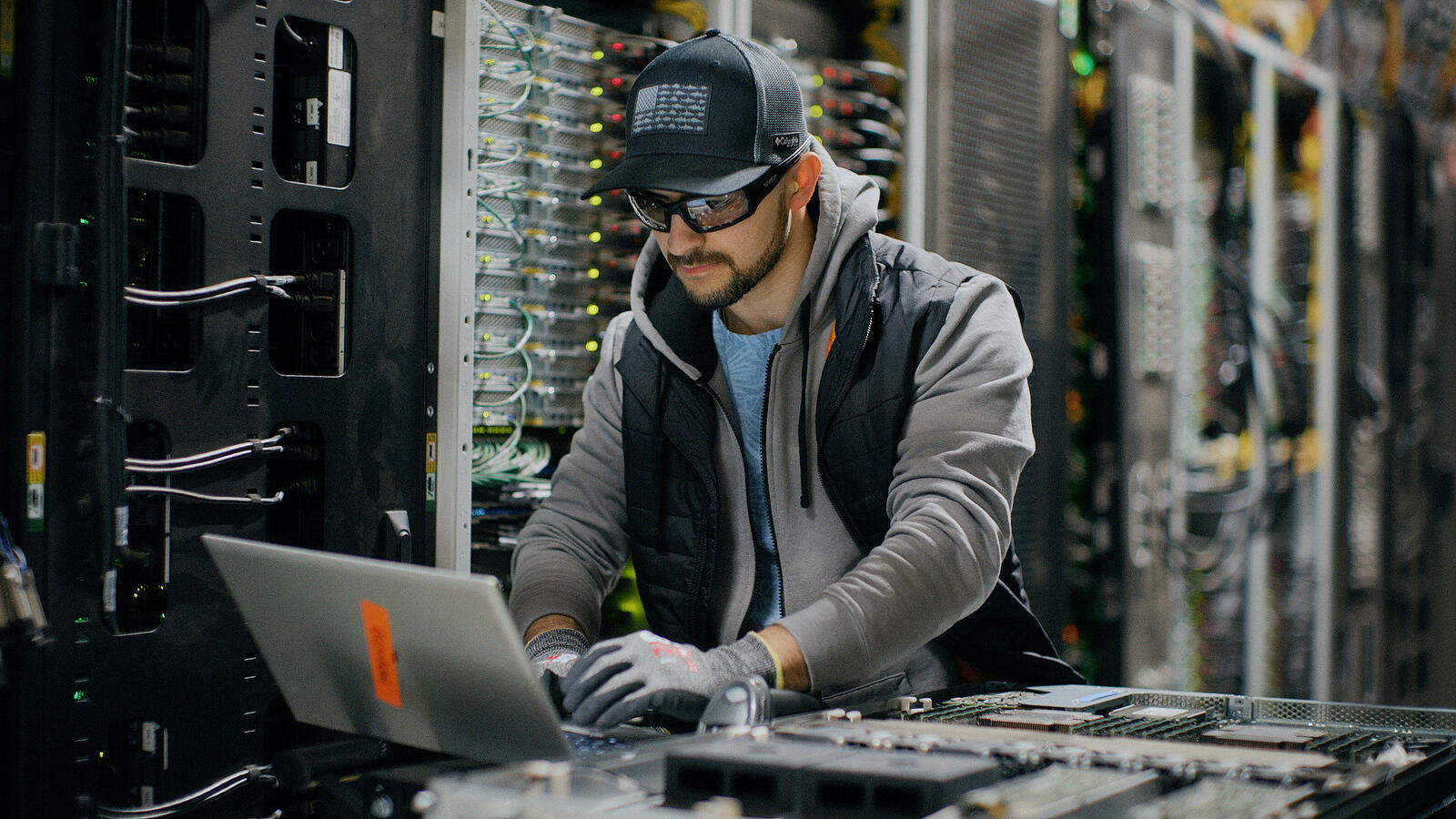
What to Expect
1. Discovery
2. Provider Evaluation
3. Market Insights
4. Next Steps
We'll learn about your organization, applications, growth plans, and technical requirements.
Based on your goals, we'll identify data center providers, connectivity options, and markets that best align with your project.
Receive guidance on leading enterprise markets including Ashburn, Dallas, Chicago, Phoenix, Silicon Valley, London, Frankfurt, Singapore, Tokyo, and many others.
Whether you're ready to deploy immediately or simply researching future infrastructure options, we'll help point you in the right direction.
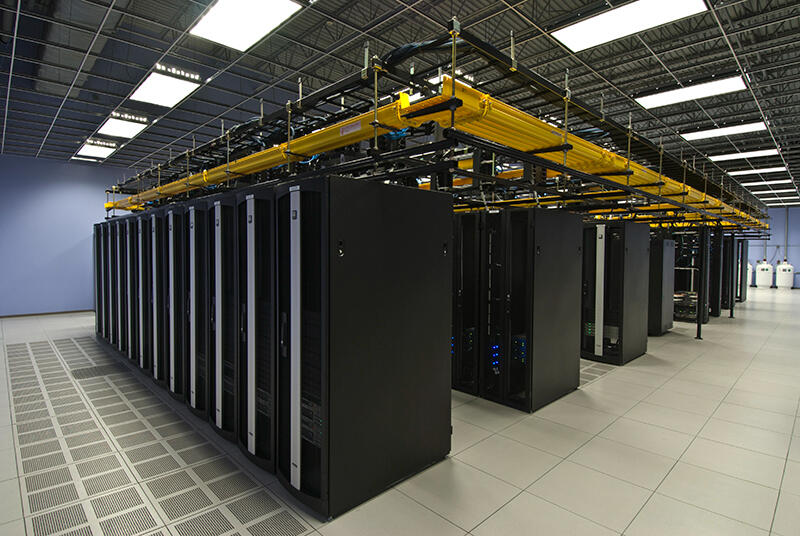
Common Projects We Help With
Enterprise Colocation
AI Infrastructure & GPU Clusters
Wholesale Data Center Capacity
Bare Metal & Private Cloud
Disaster Recovery Sites
Dedicated Internet & Network Connectivity
Cloud On-Ramps
Multi-Market Deployments
Edge Infrastructure
International Expansion
Chat with an Advisor
Whether you're looking for available colocation capacity, comparing AI-ready data centers, planning a wholesale deployment, or simply exploring your options, we're here to help.Tell us about your project, and we'll help you navigate the provider landscape with confidence.